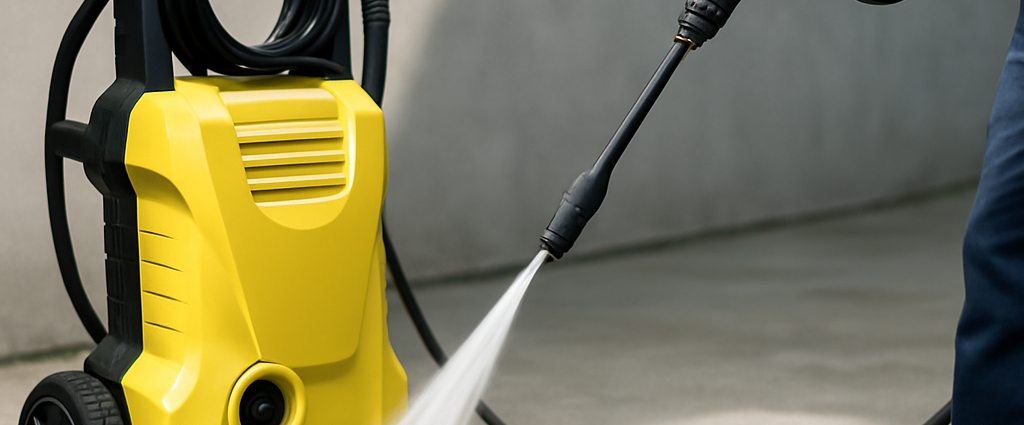
In industrial yards, municipal depots, and contractor lots, clean equipment is more than cosmetic. It affects uptime, safety, regulatory exposure, and long-term operating costs. The modern pressure washer is the engine of that performance—capable of removing caked-on mud, brine, oils, and chemical film that sabotage components, attract citations, and drive up maintenance. Yet raw cleaning force is only part of the story. The smartest operations pair the right machine with wash pads, containment, filtration, and reclaim so effluent doesn’t become a risk. Aligning power, process, and water management turns washing from a chore into a strategic control point that protects assets, meets environmental expectations, and keeps equipment in reliable service.
Choosing the Right Pressure Washer for Industrial and Fleet Use
Selecting a pressure washer for heavy-duty vehicles starts with understanding the soil load and substrate. Refuse trucks demand heat and high flow to strip organics and hydraulic oil film; construction iron needs volume to push gritty sediment; transit coaches benefit from lower pressure and wide fan nozzles to protect decals and trim. The two primary specs—PSI (pressure) and GPM (flow)—work together. Higher PSI delivers cutting power, while higher GPM moves the debris you’ve broken loose. For most fleet cleaning, 2,000–4,000 PSI and 3–8 GPM provide a versatile window; heavy equipment often benefits from the higher end of that range, especially when combined with hot water at 180–200°F for faster degreasing.
Power source matters. Electric units excel indoors or where emissions and noise must be minimized; gas and diesel machines deliver portability and higher duty cycles in remote yards. Pump quality (triplex plunger designs), thermal protection, and proper hose ratings ensure longevity and operator safety. Accessory selection is equally important. Rotating “turbo” nozzles increase impact on tough soils but require caution on painted or soft finishes. Wide fan tips and extended wands speed coverage on trailers and box sides. Foamers and metering injectors let soaps dwell on film before rinsing; look for detergents designed to rinse clean without leaving residue that can attract dust or corrode finishes.
Water chemistry and substrate sensitivity shape final choices. Aluminum tanks, polished wheels, and sensitive sensors beneath cabs call for controlled pressure, neutral pH cleaners, and careful standoff distance. Salt- and brine-laden fleets need frequent hot rinses to arrest corrosion under frames, inside wheel wells, and around wiring harnesses. Operators should be trained to work top-down, pre-wet surfaces to prevent spotting, and use a “break–move–rinse” rhythm: break the bond with heat and chemistry, move soils with volume, and rinse thoroughly. Proper sizing and technique transform a pressure washer from a blunt tool into a precision instrument that preserves finishes, shortens cycle times, and preps water for effective downstream filtration.
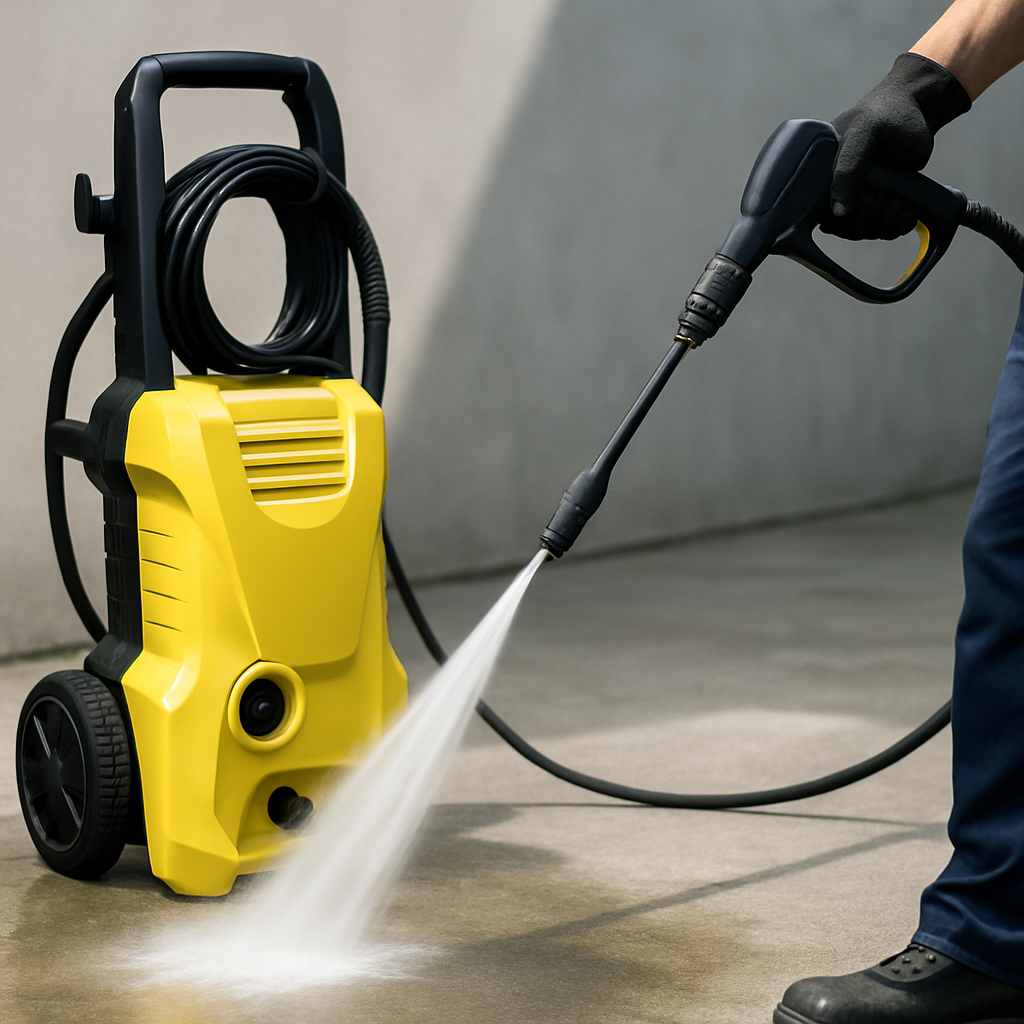
Containment, Filtration, and Reclaim: Turning Wash Water from Liability to Asset
Where the water goes after it leaves the wand defines risk and cost. Uncontrolled runoff carries fines, oils, metals, and suspended solids into storm drains, creating exposure under the Clean Water Act and NPDES frameworks and raising insurance concerns. The solution is engineered control: a wash pad or grated bay that slopes to a trench or sump, surrounded by berms or curbing to keep overspray inside. This boundary converts open pavement into a managed system, preventing tracking and slip hazards while setting the stage for filtration and reuse.
Filtration begins with solids interception. Debris screens, sump baskets, and cone-bottom or sloped pits capture heavy grit before it reaches pumps. From there, staged filtration—bag or cartridge filters followed by media vessels—removes finer particles. An oil-water separator targets free-floating hydrocarbons, aided by coalescing plates that slow the flow and encourage droplet rise. Emulsified oil is trickier; minimizing overly aggressive emulsifying soaps upstream improves separator performance downstream. In advanced setups, carbon polishing refines effluent prior to discharge or reuse.
Water reclaim turns wash water into a resource. Closed-loop systems recirculate treated water back to the pressure washer, reducing consumption by 60–90% depending on soil load and makeup water strategy. Smart controls monitor levels, divert first-flush heavy soils to waste, and return clarified water for rinse passes. pH adjustment, anti-foam dosing, and periodic purge cycles stabilize quality and keep components clean. Winterization features—heated lines, insulated sumps, glycol loops—protect uptime in cold climates, ensuring washing doesn’t stall when salt duty peaks.
Beyond environmental compliance, containment and reclaim lower concrete cleaning needs, extend pump and nozzle life by keeping abrasives out of the loop, and simplify sludge handling. Sludge dewatering with bags or geotextile tubes cuts disposal weight. Documentation—pad drawings, maintenance logs, and waste manifests—helps satisfy inspectors and internal audits. When the wash process is engineered as a system, effluent shifts from a liability to a controllable, predictable stream, aligning safety, savings, and stewardship in a way that simple rinsing on open pavement never can.
Real-World Scenarios: Safer Cleaning for Trucks, Heavy Equipment, and Municipal Fleets
Consider a municipal yard after a winter storm cycle. Snowplows and spreaders return caked with salt and anti-ice brine that seep into seams and electrical connectors. A hot-water pressure washer set at moderate PSI with a wide fan tip lets operators flood frames and hopper interiors without etching paint, while foam detergents break the bond on magnesium chloride film. On a contained pad, the first minute of heavy brine rinse is diverted to waste; then reclaim engages for general rinsing. By removing salt quickly and consistently, the fleet slows corrosion on harnesses, brake lines, and underbody hardware, trimming premature replacements and electrical gremlins the following season.
A civil contractor presents a different profile. Excavators and haul trucks drag dense clay and aggregate back to the yard. Here, flow rate is king. A 4–8 GPM pressure washer with turbo nozzles knocks off bulk mud quickly; operators pre-scrape buckets and tracks to reduce load on reclaim filters. Grated pads and trench drains catch stones before they enter the sump. Over time, the contractor notes shorter wash cycles, lower filter change frequency thanks to proper pre-scrape and solids separation, and improved preventive maintenance—clean machines make it easier to spot seepage around fittings or hairline cracks near welds before they become breakdowns.
Refuse fleets face persistent organic film and hydraulic oil mist. Heat, dwell time, and smarter chemistry are the levers. Crews pre-foam sides and tailgates, allow a short dwell, and rinse at 2,500–3,000 PSI to avoid damaging decals. The pad’s oil-water separator captures free oil; a skimmer or coalescing pack helps manage load spikes after maintenance washes. Because emulsifying soaps can hinder separation, operators switch to a cleaner that lifts oils without locking them into the water phase. The result is better separator performance, clearer effluent, and lower downstream media costs.
Transit agencies balance appearance with component care. Low-pressure, high-coverage rinses protect wrap graphics; targeted higher-pressure passes under chassis remove grime that traps heat around driveline and HVAC components. Regular underbody washing prevents corrosion around battery trays on hybrid or battery-electric buses. Documented wash cycles and pad inspections strengthen compliance posture during facility audits, reducing the chance that incidental runoff will trigger a notice of violation. In each case, the common thread is a right-sized machine, trained technique, and an engineered pathway for water—proof that cleaning power, when paired with containment and reclaim, elevates reliability, reduces risk, and transforms washing from a sunk cost into an operational advantage.

Mogadishu nurse turned Dubai health-tech consultant. Safiya dives into telemedicine trends, Somali poetry translations, and espresso-based skincare DIYs. A marathoner, she keeps article drafts on her smartwatch for mid-run brainstorms.