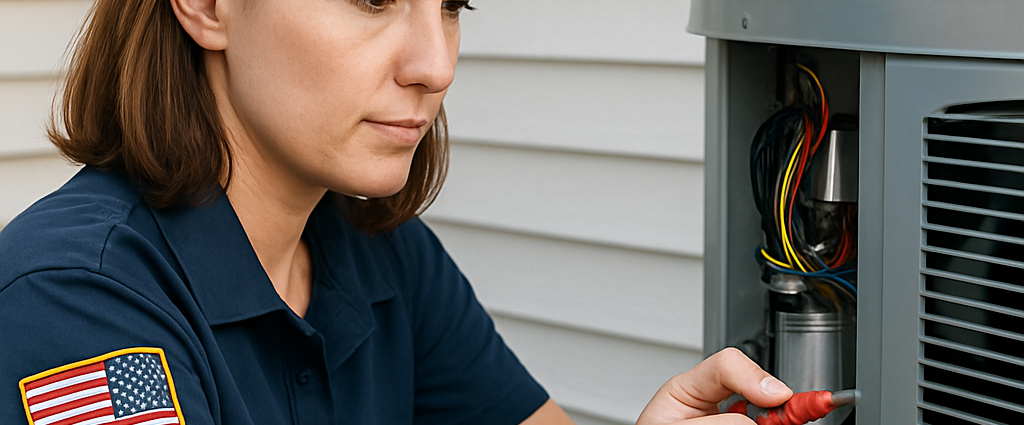
Why HVAC Fits the Lifestyle and Goals of Veteran Spouses
Choosing a career as a military or veteran spouse often means balancing mobility, family responsibilities, and the need for predictable income. A well-designed HVAC course for veteran spouses meets all three. Heating, ventilation, and air conditioning services are essential across the United States, from scorching summers in the Sun Belt to frigid winters in the Midwest and Northeast. That national demand translates to steady work, varied job paths, and a career that moves with you.
Unlike many fields that require years of schooling, HVAC training can launch a career in months, not years. Many programs use a blended format—self-paced online study complemented by guided, hands-on labs—so you can stay on track during PCS moves, deployments, or changing childcare needs. This flexibility supports continuity, making it easier to gain marketable, technical skills even amid a dynamic family schedule.
Most importantly, HVAC work rewards the strengths that military-connected families bring to the table: discipline, attention to detail, and a service-first mindset. Precision matters when charging a heat pump, commissioning a new furnace, or troubleshooting airflow on a multizone system. Safety culture and checklists are second nature in the field. Communication and professionalism—skills sharpened by years of moving, adapting, and building community—translate directly to positive customer experiences and repeat business.
There’s also long-term upside. Graduates can grow from entry-level installers or maintenance techs into system designers, project leads, and even small business owners. With growing adoption of high-efficiency equipment, electrification, and heat pump technologies, technicians who understand airflow, system design, and quality installation are in high demand. From residential service routes to light commercial maintenance, you’ll have options to match your interests, schedule, and preferred work environment.
Finally, the skills are portable. While state licensing requirements vary, HVAC fundamentals—refrigerant handling, electrical diagnostics, combustion safety, and commissioning—are universally valuable. A strong training foundation helps you adapt quickly to local code specifics, climate priorities, and equipment mixes, whether you’re supporting heat pumps in the Pacific Northwest, split systems in the Southeast, or gas furnaces in the Rockies.
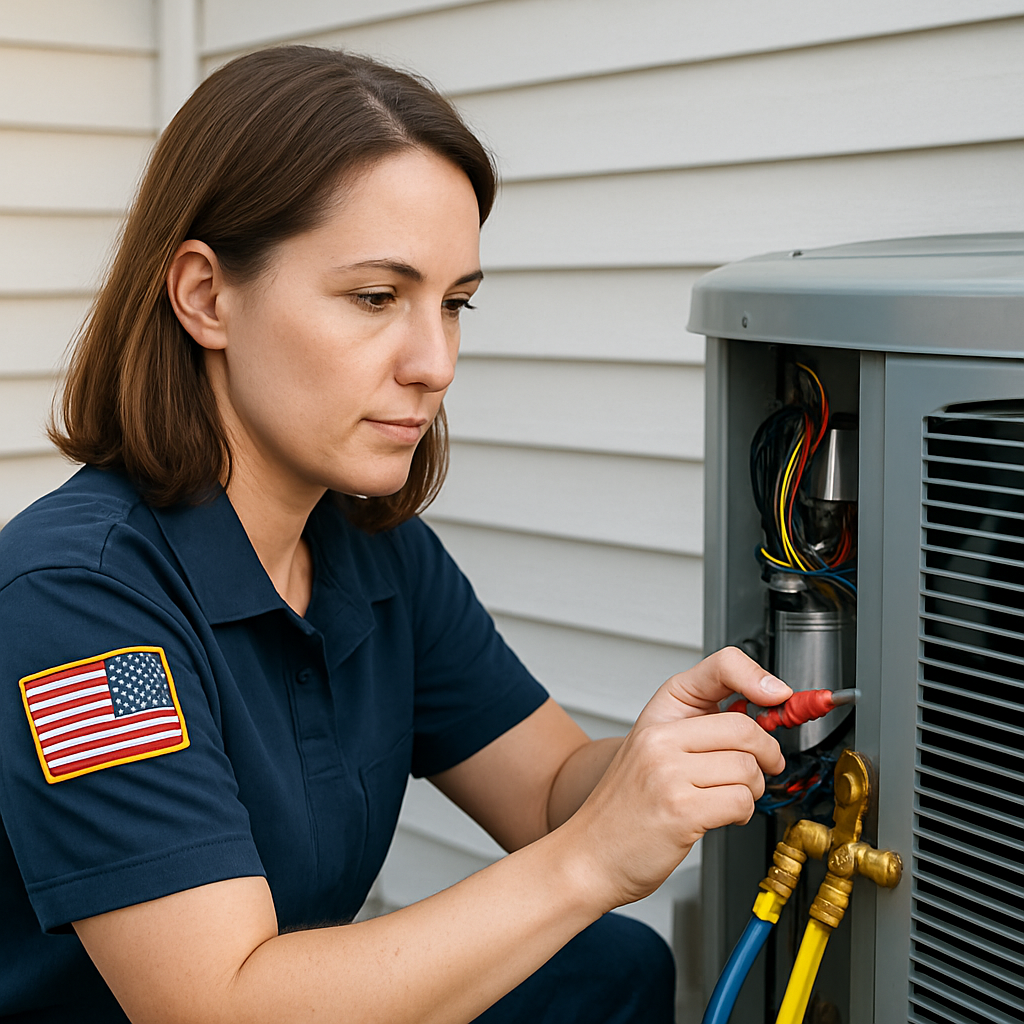
What a Strong HVAC Course for Veteran Spouses Should Include
The best HVAC training programs focus on real-world skills and job readiness. Look for curricula built around hands-on learning and live demonstrations, not just theory. You should practice measuring static pressure and airflow, charging split systems, diagnosing shorts and opens in control circuits, and verifying safe operation on gas furnaces. Foundational modules should cover safety, electrical basics, refrigeration cycle, brazing/soldering, and tool use. From there, advanced lessons dive into system design, zoning strategies, heat pump commissioning, airflow diagnostics, and furnace fundamentals.
Programs that understand the lifestyle of veteran spouses typically offer flexible scheduling. Expect hybrid options with self-paced online coursework and scheduled in-person labs. Evening or weekend lab blocks can make the difference when coordinating childcare or another job. Strong programs also include exam prep for respected credentials, such as EPA Section 608 for refrigerant handling, plus guidance on state or local licensure requirements.
Because employers value technicians who can “hit the ground running,” training should mirror field scenarios. You’ll learn how to interpret nameplates and wiring diagrams, recover and weigh in refrigerant, set charge by superheat or subcooling, commission variable-speed heat pumps, and balance multi-zone systems. You’ll also troubleshoot common service calls—no-cool complaints, iced evaporators, nuisance trips, or short cycling—using logical, step-by-step diagnostics instead of guesswork.
Soft skills are part of quality training, too. Clear customer communication, documenting work, upholding safety procedures, and collaborating with teammates all impact job performance and reviews. Look for programs that simulate customer interactions and teach best practices for estimates, service agreements, and maintenance plans.
If you’re comparing options, explore an HVAC course for veteran spouses that blends practical labs with career support—resume building, interview prep, and introductions to local contractors. A program with instructors who emphasize quality installation and field-tested methods will help you stand out. As a bonus, training centers that reference regional climate needs—heat pumps and humidity control in the Southeast, furnace commissioning in cold climates, or economizers in commercial spaces—prepare you to succeed wherever you land.
Real-World Scenarios, Funding Paths, and Fast-Track Entry Strategies
Every training path looks different, but certain scenarios are common among veteran spouses. One student may start online modules during a relocation, then complete in-person labs after settling in at a new duty station. Another may take weekend labs while working weekday hours, applying new skills immediately on the job as a helper or apprentice. A third might pursue a concentrated, 12–24-week bootcamp to accelerate entry into a paying role before a partner deploys.
Case example: A spouse new to trades begins with safety, tool use, and electrical basics. By week six, they’ve passed EPA 608 and can assist with recoveries and leak checks. Weeks 7–12 build confidence in airflow measurement, thermostat wiring, and furnace checks. After labs on refrigerant charging and heat pump commissioning, they join a residential contractor as an entry-level tech, supported by a mentor. Within a year, they’re handling seasonal maintenance routes and light diagnostics, while studying in the evenings for advanced courses on zoning, system design, and airflow.
Another case: A spouse with prior mechanical experience targets light commercial work. Training emphasizes rooftop package units, economizers, and control strategies. They network with local service managers through the program’s career services and land a role that blends preventive maintenance with data-driven diagnostics—perfect for someone who enjoys structured checklists and system performance verification.
Funding is a key piece. Many spouses explore tuition assistance options, such as state workforce grants, employer-sponsored apprenticeships, or scholarships aimed at military families. Depending on individual circumstances, you may be eligible for specific spouse-focused programs; always verify current requirements and timelines and consider stacking smaller scholarships with payment plans. Some employers help cover training costs when you agree to work for a set period—ask about “learn-and-earn” opportunities during your search.
To fast-track entry, build a plan that aligns with your timeline and family schedule:
– Start with core credentials (e.g., safety and EPA 608) to become productive on day one.
– Prioritize hands-on labs in heat pumps, refrigerant charging, airflow diagnostics, and furnace fundamentals, as these generate immediate value in the field.
– Seek mentors—seasoned techs accelerate your learning by sharing proven diagnostics, commissioning steps, and quality standards.
– Keep a learning log. Document pressure readings, electrical measurements, and steps taken to resolve issues; this habit sharpens troubleshooting and helps in interviews.
– Understand local licensing. While HVAC is portable, states and municipalities may have different requirements; a good program will guide you on next steps.
As you gain experience, consider specialization. High-efficiency heat pumps and inverter systems are surging nationwide. Technicians fluent in commissioning and optimizing these systems are particularly sought after. Others may gravitate toward residential design and zoning, indoor air quality solutions, or light commercial maintenance with smart building controls. With each skill added, your value—and your options—grow.
Ultimately, the combination of flexible training, real-world practice, and employer connections allows veteran spouses to enter the HVAC field with confidence. Whether your goal is a steady, family-friendly schedule, overtime-driven earnings, or a path toward small business ownership, a focused HVAC course can equip you with the tools to build a portable, resilient, and rewarding career that travels with you.

Mogadishu nurse turned Dubai health-tech consultant. Safiya dives into telemedicine trends, Somali poetry translations, and espresso-based skincare DIYs. A marathoner, she keeps article drafts on her smartwatch for mid-run brainstorms.