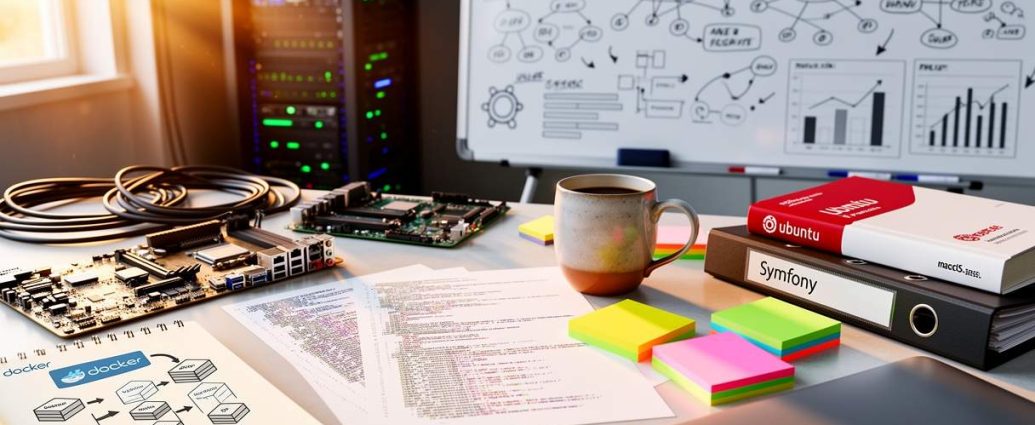
Why PHP Still Powers the Web: Speed, Flexibility, and Real‑World Fit
PHP has evolved from a simple scripting language into a mature, high‑performance platform that quietly runs a massive share of the web. Major content platforms, enterprise portals, SaaS dashboards, and robust APIs lean on its flexibility and the broad ecosystem around it. The latest language versions deliver strong typing features, attributes, enums, fibers, and a Just‑In‑Time compiler that boosts computational tasks. Combined with OPcache, preloading, and PHP‑FPM, modern stacks can serve dynamic pages efficiently while remaining developer‑friendly. For teams balancing iteration speed with reliable throughput, PHP’s practicality is still hard to beat.
One reason for its longevity is the rich tooling and framework landscape. Frameworks like Laravel and Symfony guide teams toward maintainable architectures, predictable conventions, and first‑class developer experience. They integrate with widespread components—queues, cache stores, mailers, and background jobs—so projects can move quickly without sacrificing quality. Content management systems like WordPress and Drupal enable rapid site launches while still allowing deep customization through hooks, plugins, and composer packages. Whether building a high‑traffic marketing site, a marketplace, or a data‑driven application, the ecosystem offers building blocks that trim time to market.
Operational excellence has also improved dramatically. PHP fits naturally into containerized workflows, and it scales horizontally with stateless services behind Nginx or Apache. With Redis or Memcached, applications can cache rendered fragments, store sessions, and throttle requests. CDNs and reverse proxies reduce origin load, and asynchronous workers handle heavy lifting like image processing, payments, and notifications. In practice, this means predictable costs and the option to start small and scale up only when usage surges. Teams at every size—from solo maintainers to global enterprises—benefit from this operational simplicity.
For developers seeking authoritative, practical guidance on modern patterns, performance, testing, and deployment, deep‑dive tutorials on PHP help bridge the gap between fundamentals and production‑grade excellence. With a healthy release cadence and a community dedicated to stability and clarity, PHP continues to deliver what professionals need: a language that is fast enough, safe enough, and versatile enough for real‑world demands.
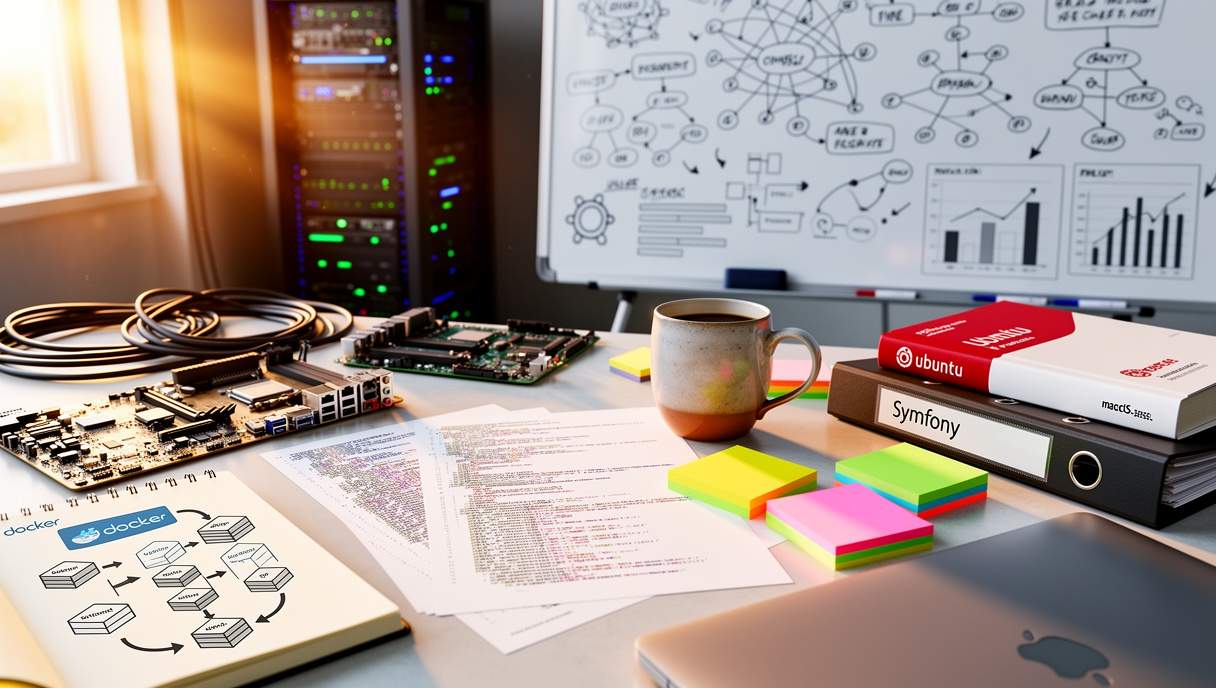
Modern PHP Development Stack: Frameworks, Tools, and Best Practices
A modern PHP codebase starts with Composer for dependency management and PSR standards for consistency. Autoloading, namespacing, and semantic versioning keep projects organized as they scale. Static analysis with PHPStan or Psalm catches type errors early, while PHPUnit or Pest delivers succinct, expressive tests. Linters and formatters—such as PHP_CodeSniffer and PHP CS Fixer—enforce shared style rules. Collectively, these tools enable continuous integration pipelines that validate code quality, run tests, and generate coverage and security reports before any change reaches production.
Security hardening is a non‑negotiable baseline. Use parameterized queries through PDO to prevent SQL injection. Hash passwords with password_hash and Argon2 or Bcrypt, and prefer libsodium for cryptography. Session cookies should be HttpOnly and SameSite where appropriate, and CSRF tokens should guard state‑changing requests. Escaping output with context awareness—HTML, attributes, JSON, or URLs—stops XSS. Input validation and sanitization libraries reduce edge‑case bugs. Dependency updates and vulnerability scanning are part of regular maintenance, not afterthoughts.
Framework selection depends on project scope. Symfony provides a highly decoupled, component‑driven foundation that excels in enterprise architectures and domain‑driven design. Laravel favors rapid development with batteries‑included tooling—queues, events, mailers, and job scheduling are a command away. Both encourage layered structures: controllers for transport, services for orchestration, repositories or query objects for persistence, and DTOs or view models for clean data flow. This separation yields testability and a codebase that welcomes new team members without guesswork.
Consider a practical scenario: migrating a legacy monolith into a maintainable system. Start by extracting critical domains into Symfony bundles or Laravel modules while preserving existing routes. Introduce DTOs to decouple transport from business rules and add integration tests that lock in current behavior. Gradually swap legacy database calls with repositories using Doctrine ORM or Eloquent, applying optimistic locking and transactional boundaries. Introduce feature flags to roll out critical rewrites safely, and wrap high‑risk endpoints with rate limiting. Containerize the app with Docker, mount read‑only volumes for config, and use environment variables for secrets management. With this approach, a team can modernize incrementally—preserving uptime while gaining performance, security, and clarity.
Scalable Architectures and Performance Tuning with PHP
At scale, architecture choices matter as much as code. Start with efficient web serving: Nginx in front, PHP‑FPM tuned with appropriate process managers, and OPcache enabled with sensible memory caps. Preloading frequently used classes reduces startup overhead, while realpath caching speeds filesystem lookups. For CPU‑bound workloads, the JIT can help; for I/O‑heavy apps, consider asynchronous models with Swoole or RoadRunner to reuse workers and reduce per‑request boot costs. Micro‑caching of HTML fragments at the edge or reverse proxy yields huge wins for busy pages that tolerate a few seconds of staleness.
Data strategies drive predictable performance. Use Redis for ephemeral state—sessions, locks, rate limits, and queues—and design idempotent workers to safely retry jobs. Denormalized read models or materialized views can serve hot paths efficiently while the primary database remains normalized and consistent. Pagination patterns (keyset over offset) keep queries fast at scale. When joins become expensive, split workloads into read/write replicas or adopt CQRS patterns where the read layer is optimized separately. For search, elastic indexes offload complex filtering and full‑text queries from the primary database.
Fault tolerance and cost discipline go hand in hand. Stateless services scale horizontally; sessions and caches live outside application nodes. Blue‑green or rolling deployments reduce downtime, and health checks with circuit breakers prevent cascading failures. Observability is essential: centralized logs, request tracing (OpenTelemetry), and metrics paint a clear picture of latency, error rates, and saturation. Alert on SLOs instead of raw thresholds to prioritize the user experience. In practice, this approach ensures resources scale with demand while keeping budgets under control.
Imagine a high‑traffic launch for an e‑commerce brand. Ahead of the event, warm caches and precompute dynamic fragments like category facets. Move price and inventory checks into a fast in‑memory store synchronized by background workers, and enforce per‑user cart locks to avoid race conditions. Serve media via a CDN and let a reverse proxy apply short‑lived micro‑caches to product listing pages. With autoscaling policies in place, additional PHP‑FPM workers spin up under load. Downstream, rate limit checkout endpoints, queue non‑critical webhooks, and batch email notifications. This architecture keeps p95 latency low during traffic spikes, prevents database hotspots, and ensures the storefront remains responsive. With thoughtful caching, async processing, and robust observability, PHP applications handle surges gracefully while delivering a fast, consistent experience.

Mogadishu nurse turned Dubai health-tech consultant. Safiya dives into telemedicine trends, Somali poetry translations, and espresso-based skincare DIYs. A marathoner, she keeps article drafts on her smartwatch for mid-run brainstorms.