
What an AI SEO Audit Covers and Why It Matters Now
Search is changing from lists of blue links to synthesized answers generated by large language models. Prospects ask conversational questions in ChatGPT, Perplexity, Gemini, Claude, and Copilot, then act on the two or three recommendations they see in an instant summary. An effective AI SEO Audit diagnoses how a brand appears across these AI-generated answers, why competitors are chosen instead, and what signals are needed to become the model’s preferred recommendation. Unlike classic SEO that optimizes purely for ranking positions, an AI-focused review evaluates brand presence in answers, citations, entity understanding, and topical authority across platforms and devices.
Modern AI assistants assemble responses by blending web content, knowledge graphs, review data, product feeds, local profiles, and real-time sources. To be discoverable, a business must be machine-understandable: the brand, people, products, services, locations, and credentials need to be modeled as interlinked entities. A thorough audit tests whether these entities are correctly recognized, disambiguated, and confidently attributed to the right website. It looks for structured metadata (Schema.org), consistent NAP details for local intent, author and reviewer credibility signals, up-to-date pricing and inventory for e-commerce, and robust media assets with descriptive alt text and transcripts. These signals feed the scoring logic that influences whether an assistant cites or recommends a business.
For New Zealand organisations, local context is crucial. Many AI responses blend international publishers with nearby options. An audit examines whether a business is named or cited when users ask questions like “best family lawyer in Wellington for property disputes,” “Auckland plumber near me open now,” or “where to buy tramping gear in Christchurch.” It assesses Google AI Overviews inclusion and the sources referenced, evaluates Perplexity’s citation graph, tests Copilot’s shopping integrations, and reviews Gemini’s interpretation of local service pages. The process surfaces gaps such as missing regional terminology, inconsistent address formats, or a lack of locally sourced reviews. It also reviews governance for sensitive categories (health, finance, legal), ensuring E‑E‑A‑T signals—experience, expertise, author identity, and trust—are explicit and verifiable, so AI systems confidently recommend the business for high-stakes queries.
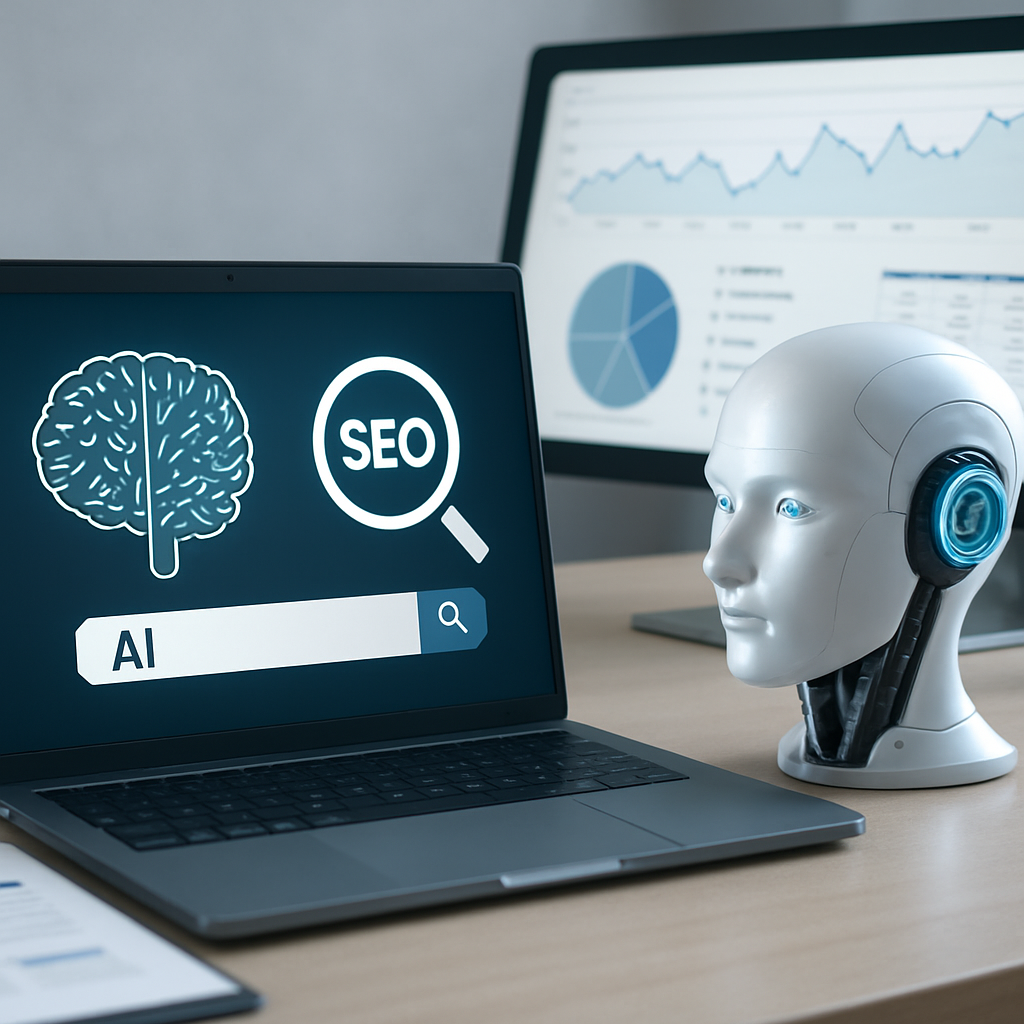
Methodology, Metrics, and Deliverables of a Best‑Practice AI SEO Audit
A robust audit starts with intent-mapped query sets. These include navigational, informational, commercial, and local prompts phrased the way real people speak to assistants. Queries are tested across platforms—ChatGPT, Google AI Overviews, Gemini, Claude, Copilot, and Perplexity—on desktop and mobile. The audit captures whether the brand appears in the final answer, is cited as a source, is indirectly referenced (e.g., via directories), or is omitted. It also logs which competitors repeatedly win exposure. This creates an “AI answer share of voice” baseline across categories, regions, and funnel stages.
Next comes entity and knowledge graph validation. The audit checks whether brand, organisation, and person entities resolve correctly in Google’s Knowledge Graph and other public graphs. It evaluates Schema.org coverage for Organization, LocalBusiness, Product, Service, FAQ, HowTo, Review, VideoObject, and Article types; inspects author markup, “sameAs” links, and publisher-level signals; and verifies consistent NAP data across the website, Google Business Profile, Apple Maps, and major NZ directories. Technical diagnostics include crawlability, render integrity for JavaScript frameworks, canonicalization, hreflang (if relevant), internal linking, sitemap health, robots directives, and core web vitals. For content, the audit tests depth, originality, freshness, and citation-worthiness across key topics, identifying where authoritative evergreen resources, research, or customer stories can attract mentions in AI responses.
Metrics extend beyond traffic. Useful KPIs include platform-specific presence rate, citation count per query cluster, position within summaries (lead vs supporting mention), featured snippet overlap with AI Overviews, review density and recency, author or practitioner prominence for YMYL categories, and local proximity and availability signals. The deliverables typically include a competitor benchmark highlighting which brands dominate AI answers and why, a gap analysis showing the signals missing from the site and profiles, and a prioritized 30‑day action plan. Common quick wins: add entity-rich organization and person schema; expand service pages with precise terminology customers and AIs use; publish truly helpful FAQs that answer follow-up questions; strengthen internal links to cornerstone resources; standardize NZ-specific address and phone formats; improve review velocity and response quality; and seed credible citations from regional publications and industry associations.
Real‑World Scenarios for New Zealand Businesses and How an AI SEO Audit Solves Them
Consider a Wellington legal practice that rarely appears in conversational answers for “family lawyer for separation agreements.” Testing reveals AI assistants cite national directories and a competing firm with stronger practitioner profiles. The audit uncovers thin bios with limited evidence of experience, outdated case summaries, and missing Person schema linking solicitors to publications and speaking engagements. The remediation plan updates bios with verifiable credentials, adds FAQ pages addressing typical client questions (fees, timeframes, process steps), implements structured data, and secures local citations from reputable NZ legal bodies. Within weeks, answer inclusion improves for mid- and bottom-of-funnel prompts, and Google AI Overviews begins referencing the practice’s own resources.
An Auckland emergency plumbing service faces a different problem. AI results prefer providers with 24/7 availability, clear service areas, and “near me” cues. The audit finds inconsistent NAP details, no after-hours information in structured data, and limited evidence of responsiveness. Enhancements include precise service-area pages with suburb coverage, opening hours and emergency availability in schema, stronger calls to action with click-to-call markup, and review acquisition focused on speed-of-service. Follow-up testing shows higher presence rates in ChatGPT and Perplexity for urgent queries like “blocked drain now” and “burst pipe help in Mt Eden,” along with AI Overviews inclusion driven by improved local signals.
A Christchurch outdoor gear retailer wants visibility for “best tramping jacket NZ” and “lightweight tent for Fiordland.” Assistants favor buying guides with rigorous comparisons, verified stock, and trustworthy reviews. The audit identifies a lack of comparison content, sparse product attributes (e.g., weight, materials, waterproof ratings), and missing Product schema with GTINs. The plan adds side-by-side buyer’s guides with performance testing, detailed attributes in structured data, availability and shipping details for New Zealand regions, and user-generated content with guidelines to ensure quality. Gemini and Copilot begin surfacing the retailer’s guides as source citations, while Perplexity references the store for up-to-date inventory.
Even B2B and SaaS teams benefit. A cybersecurity provider serving NZ enterprises seeks inclusion for “managed SOC provider NZ” and “ISO 27001 gap assessment.” The audit surfaces unclear service definitions, thin case studies lacking outcomes, and limited entity linkage to partner ecosystems. It recommends enhanced service schemas, case studies with quantified results and named industries, alignment with partner directories, and thought leadership mapped to buyer questions. Assistants start summarizing the provider’s differentiators, citing original research and case content.
Across these scenarios, the thread is consistent: AI systems reward brands that are easy to understand, verify, and recommend. A focused AI SEO Audit identifies the precise mix of entity clarity, structured data, local trust signals, and authoritative content needed to win those recommendations. By aligning pages, profiles, and off-site citations with how assistants evaluate relevance and trust, New Zealand businesses move from being invisible in synthesized answers to becoming the default suggestion users act on. The outcome is measurable: higher presence in AI-generated responses, stronger citation authority, and more qualified enquiries originating from the tools customers rely on every day.

Mogadishu nurse turned Dubai health-tech consultant. Safiya dives into telemedicine trends, Somali poetry translations, and espresso-based skincare DIYs. A marathoner, she keeps article drafts on her smartwatch for mid-run brainstorms.